Scalp
Micropigmentation
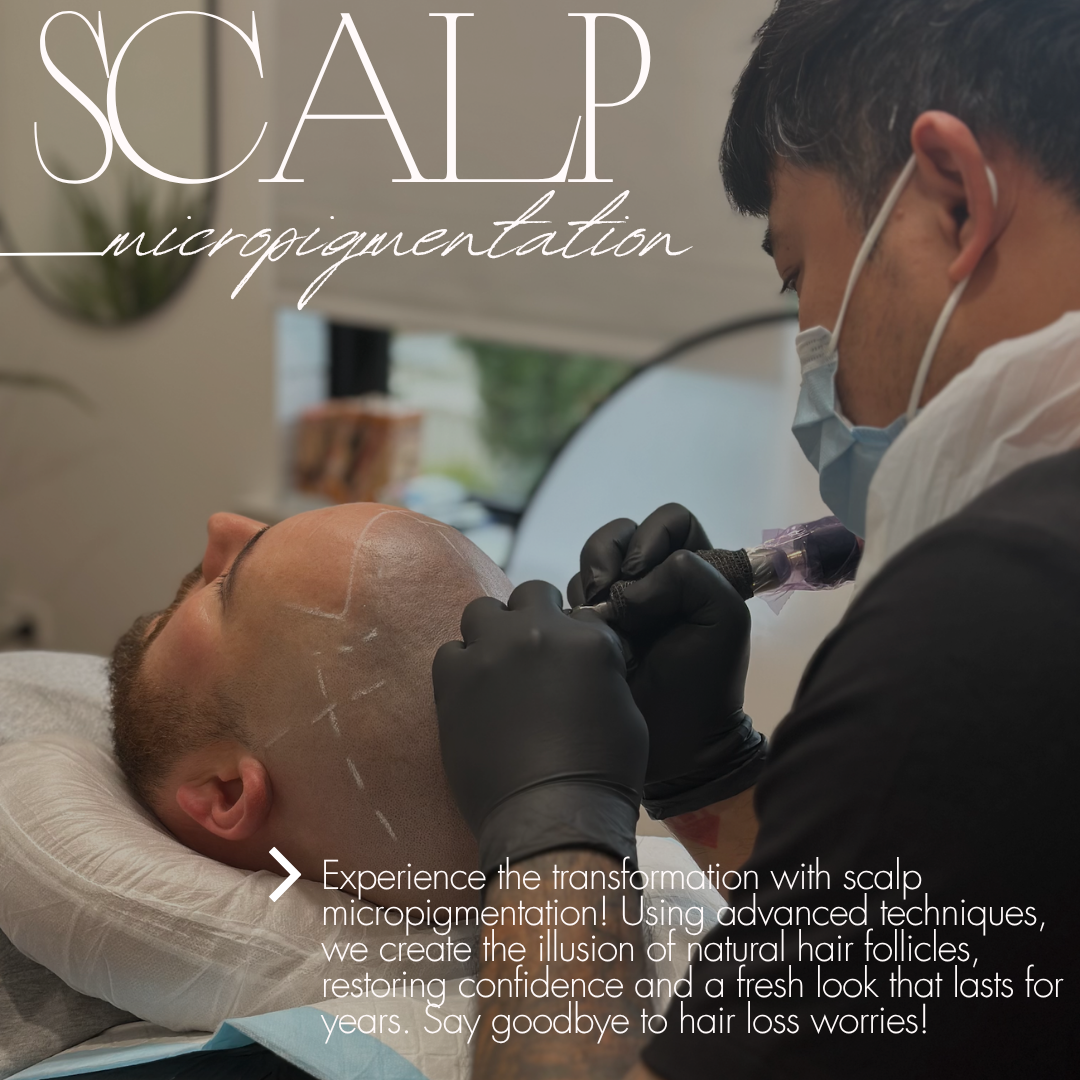
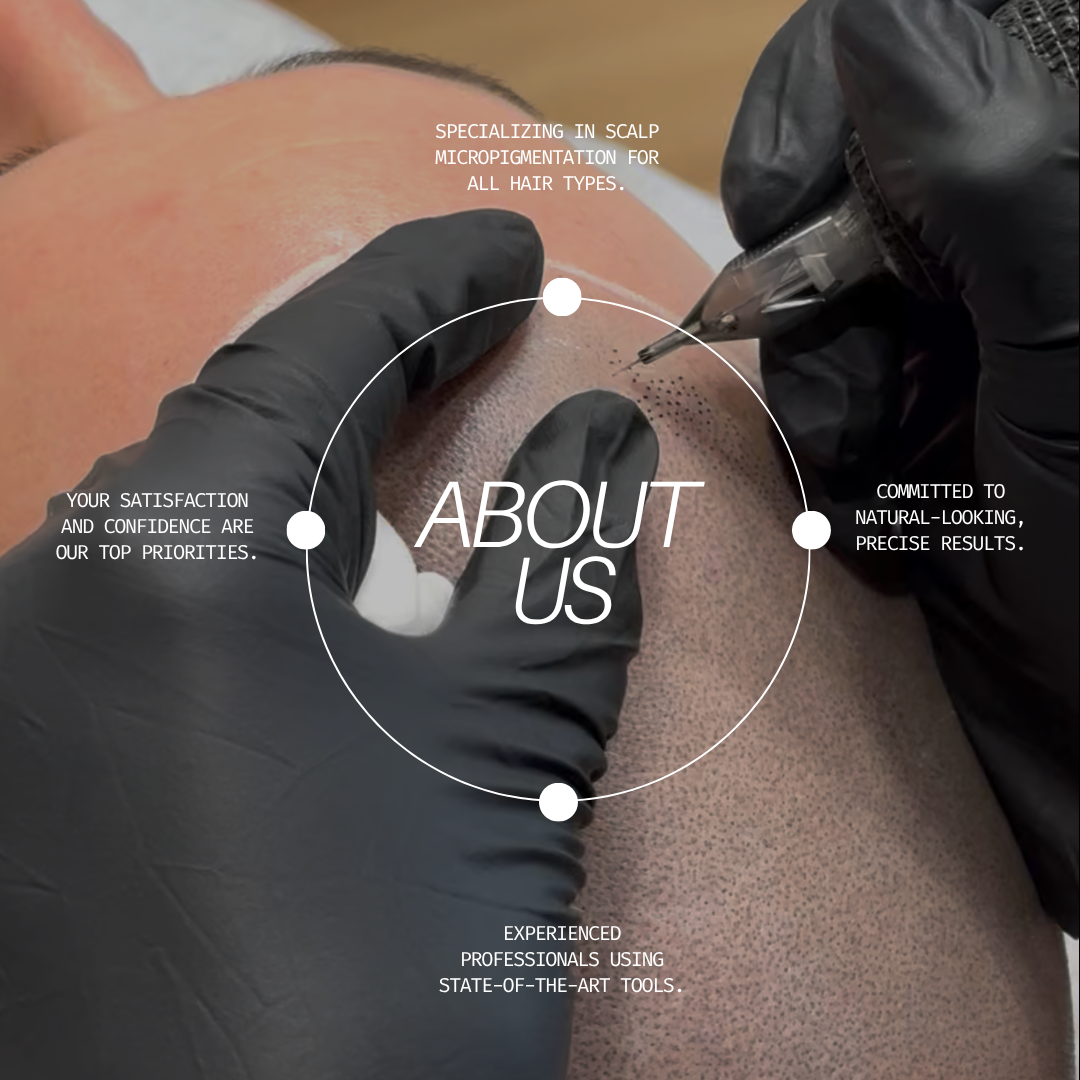
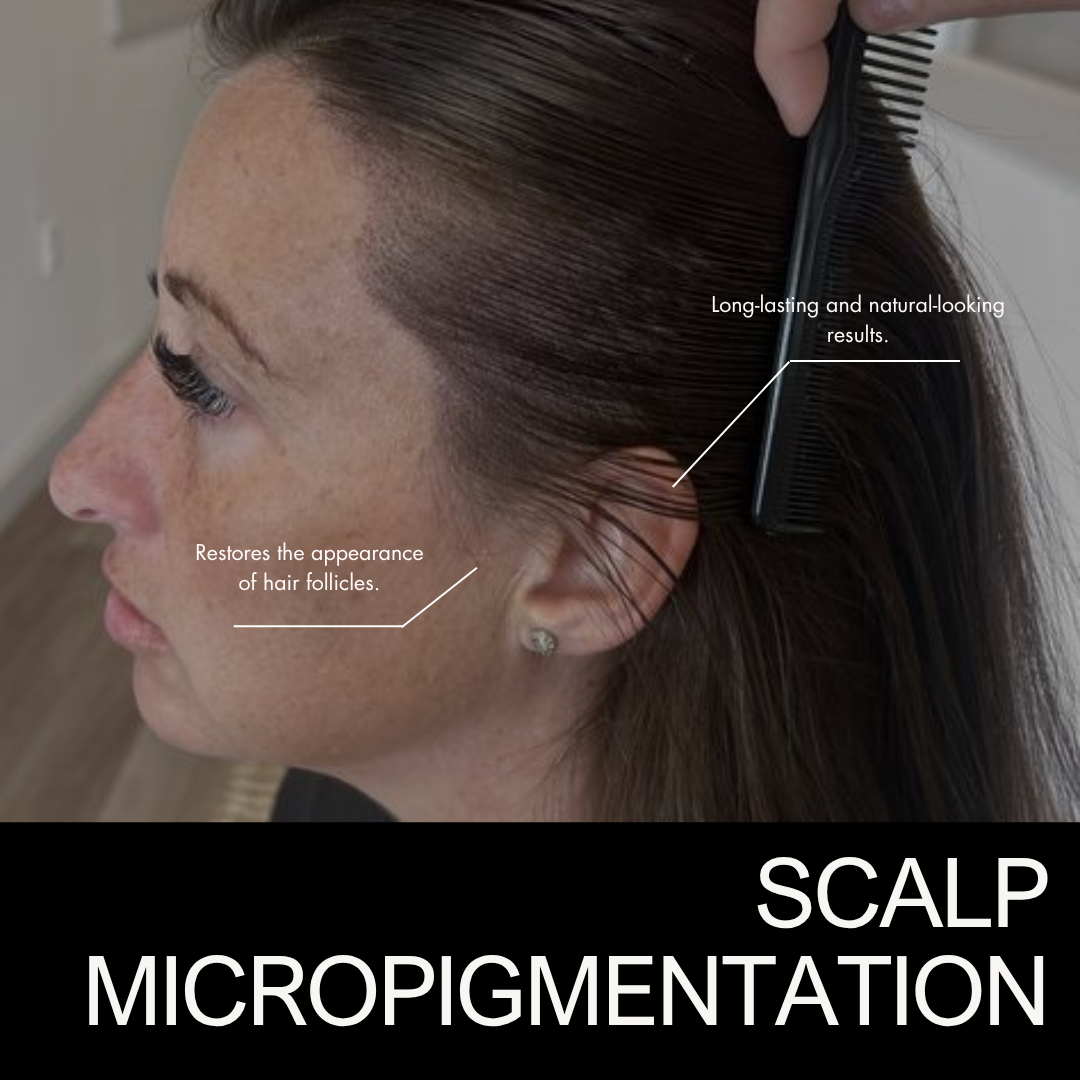
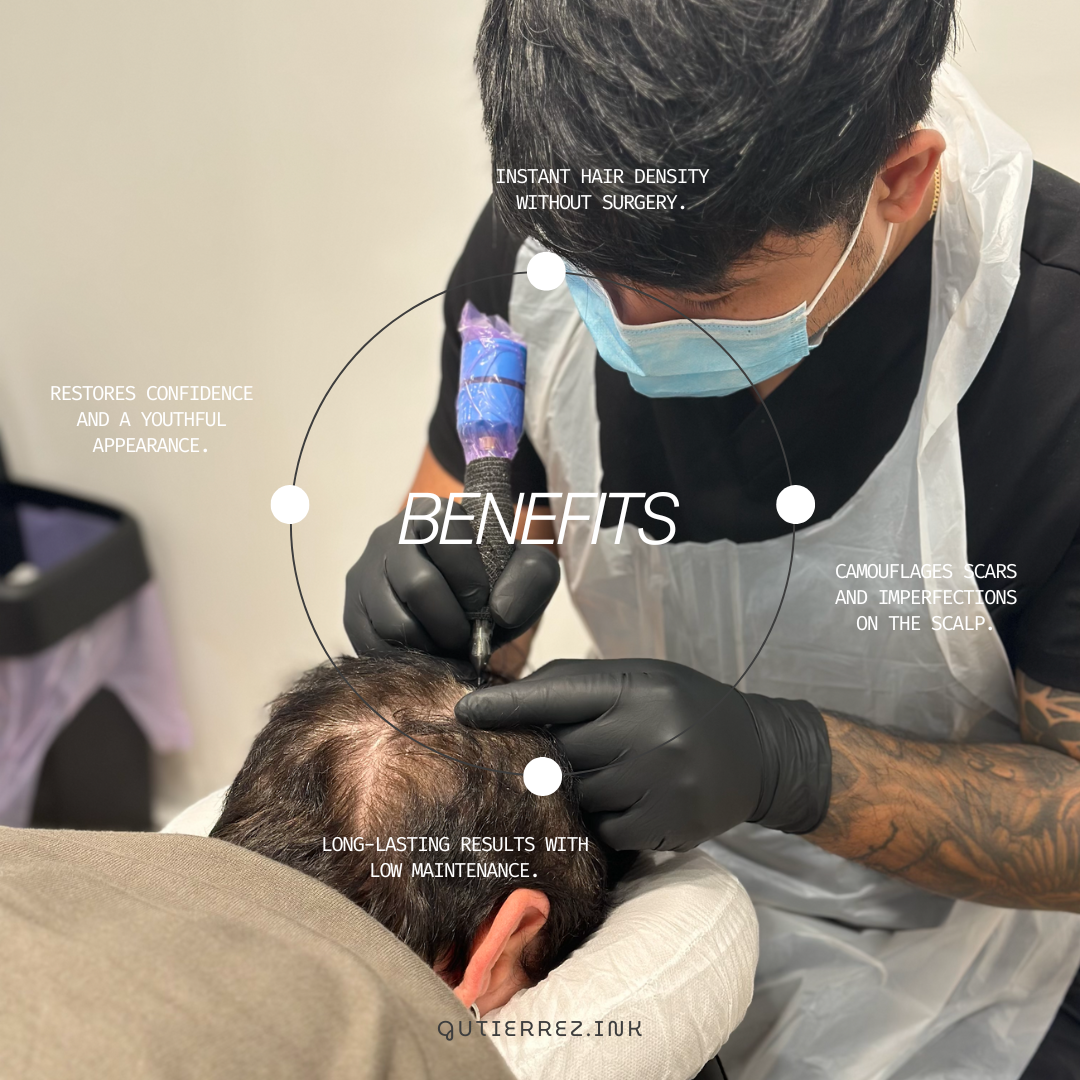
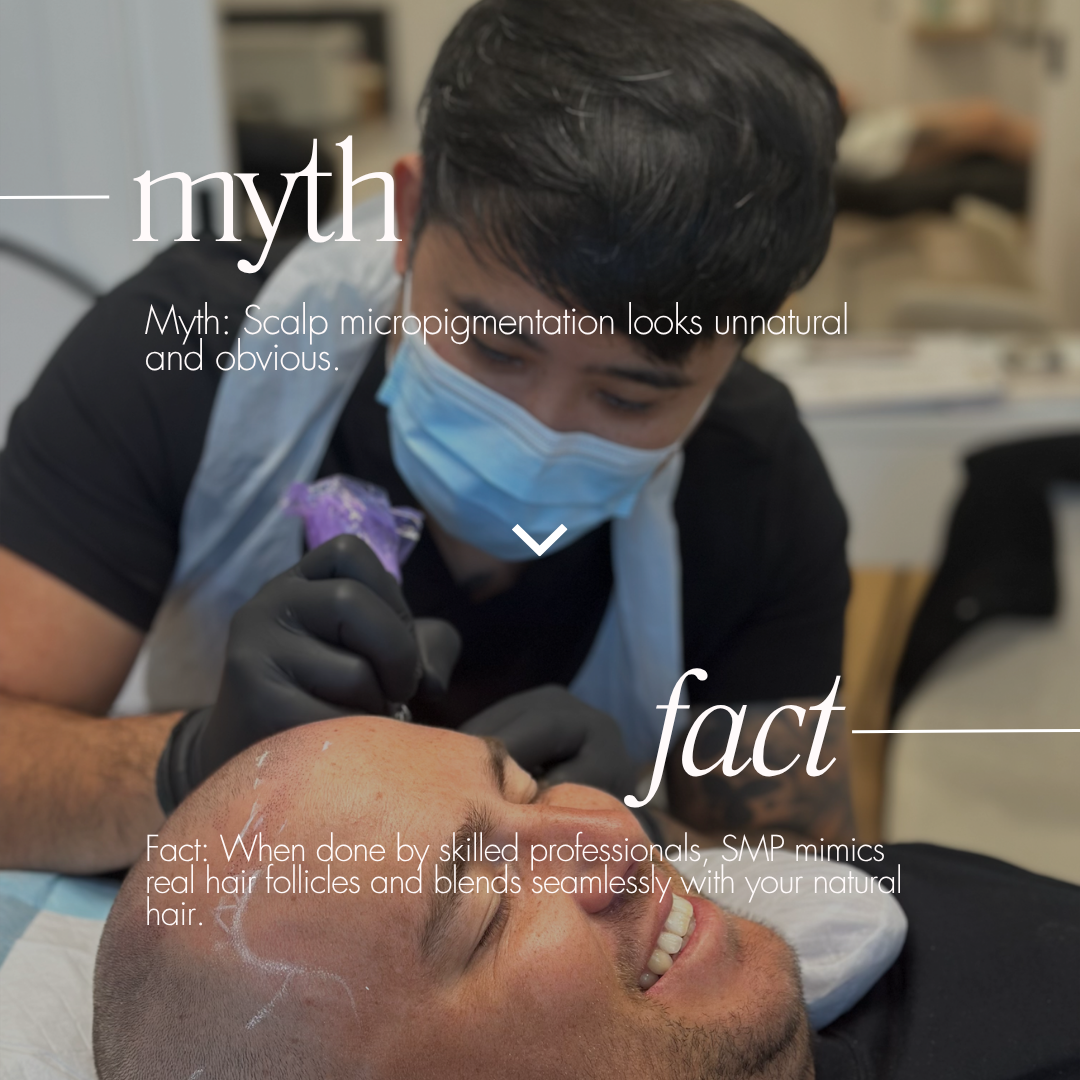
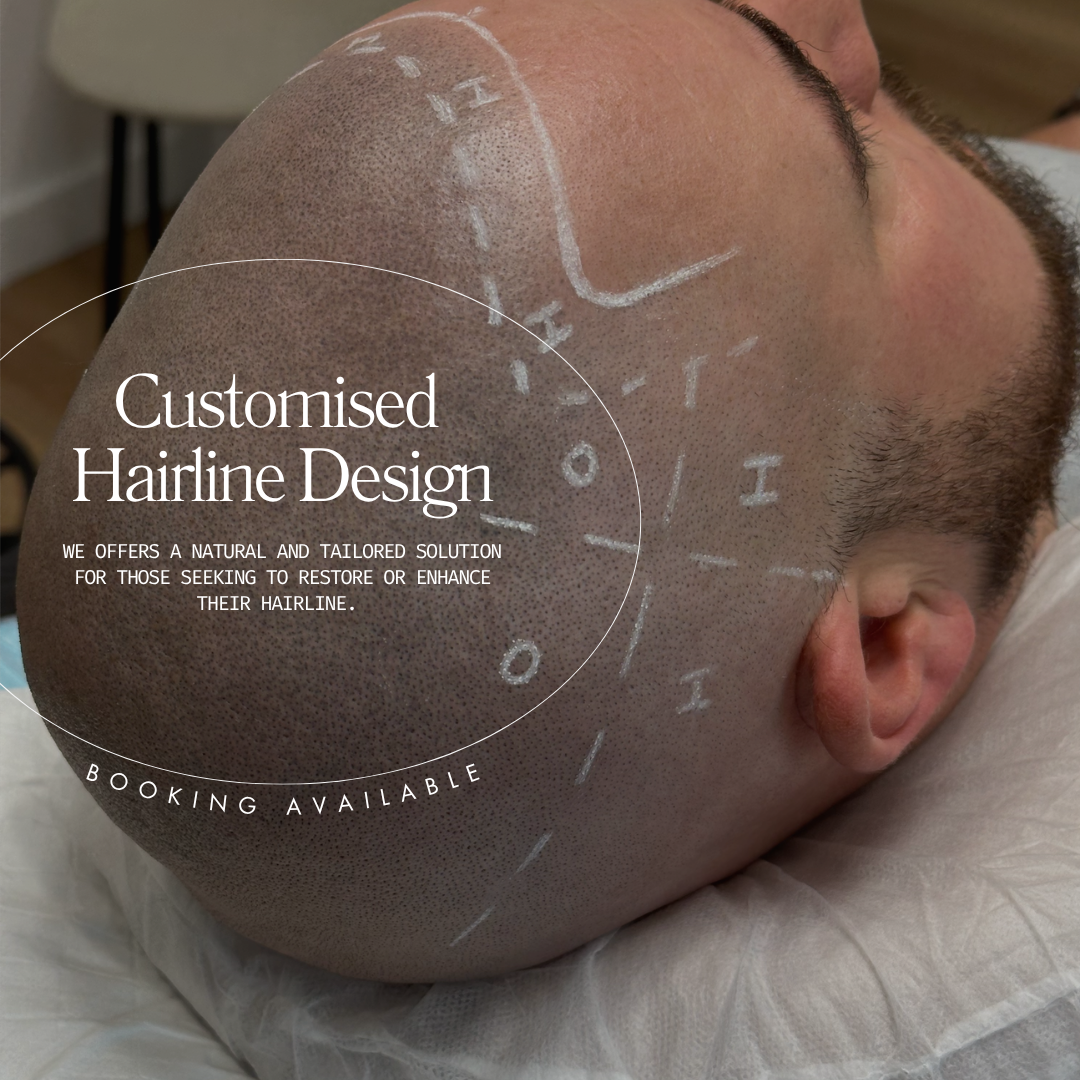
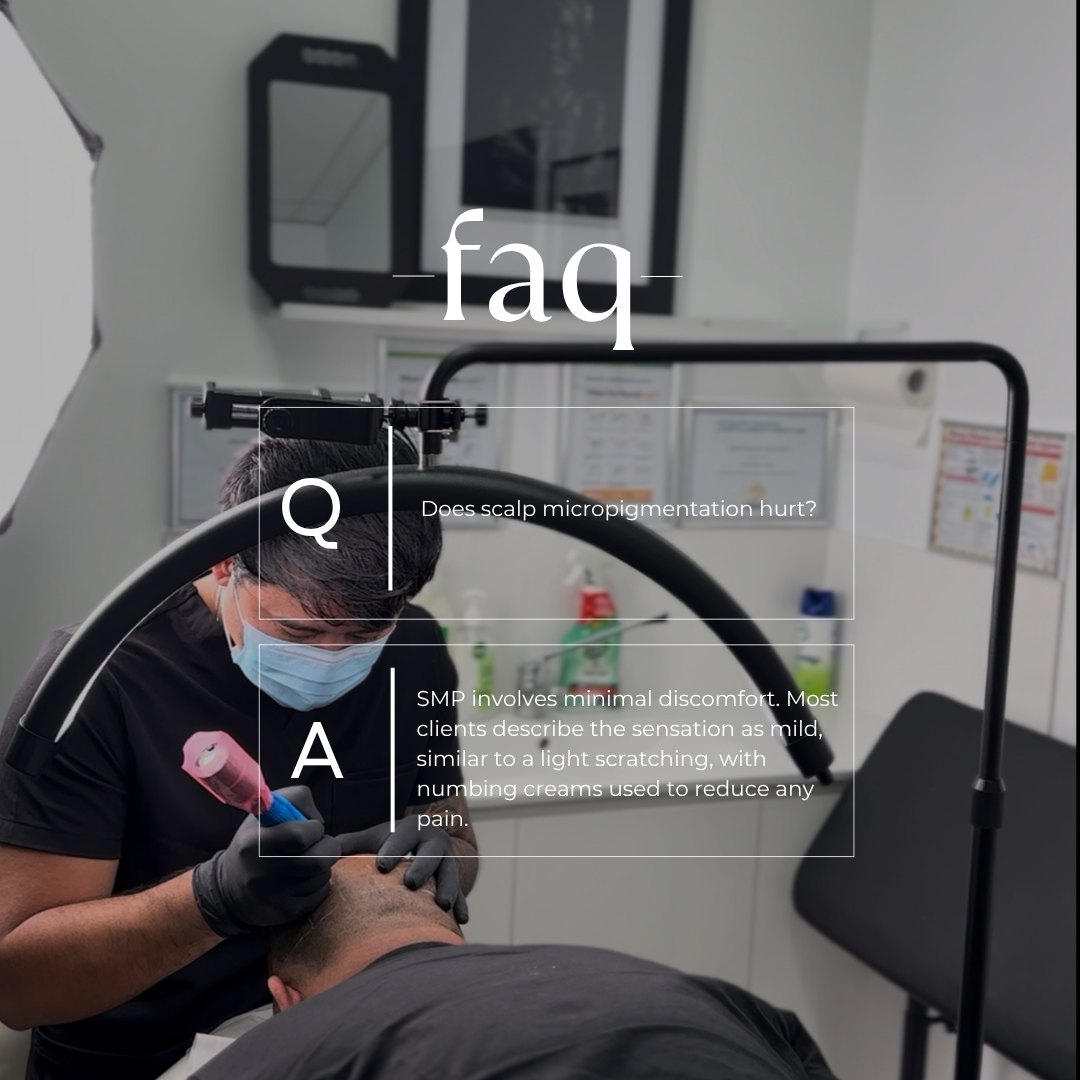
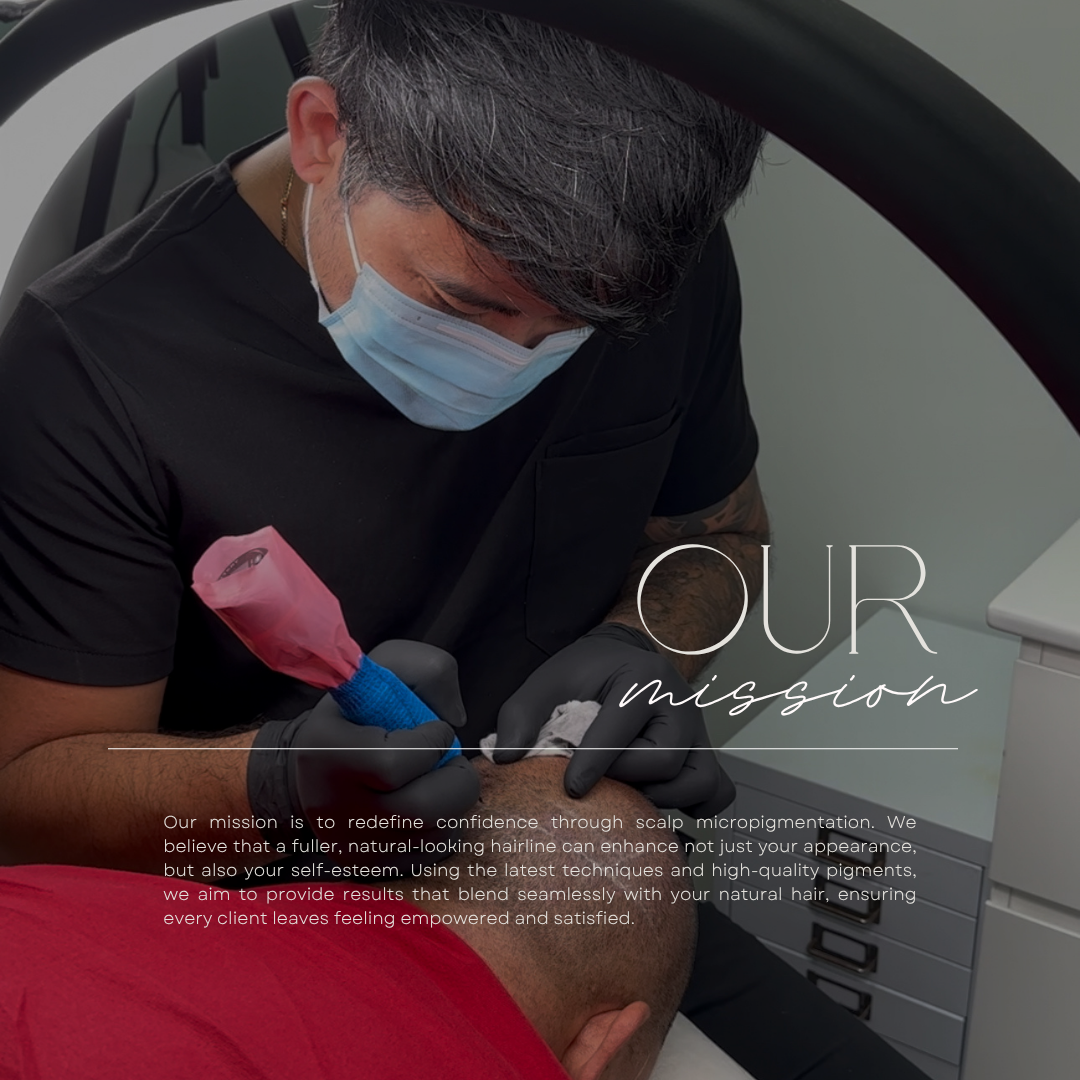
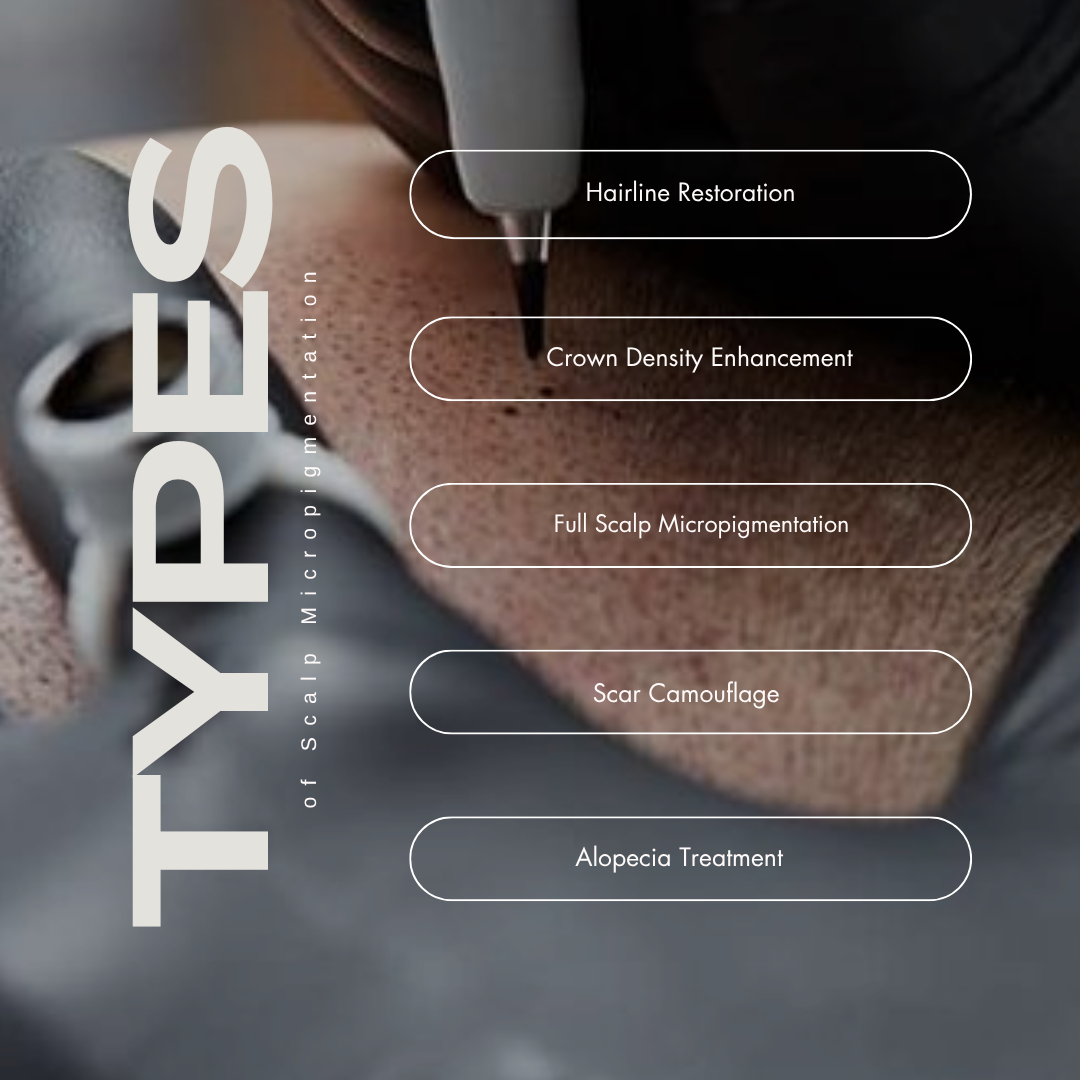
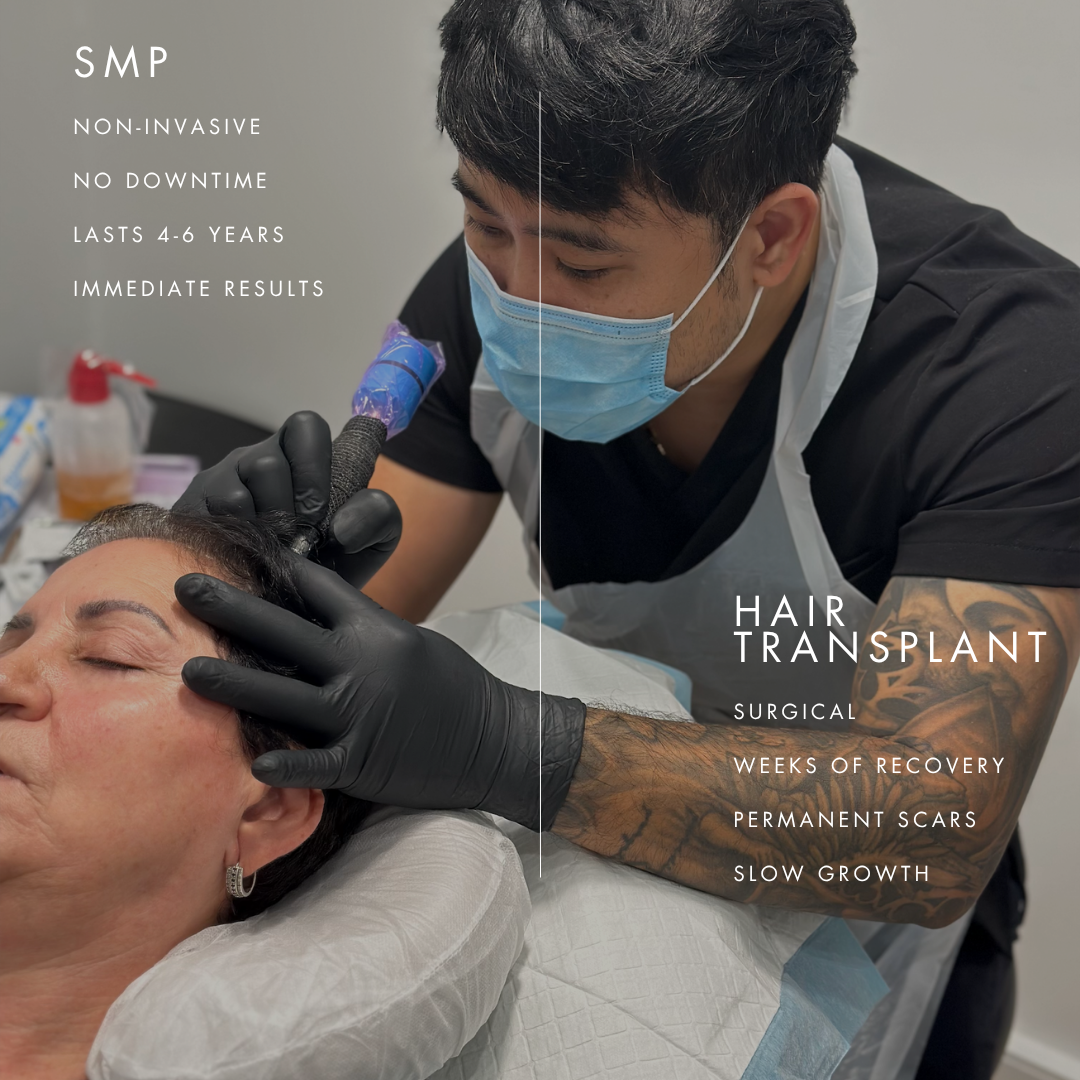
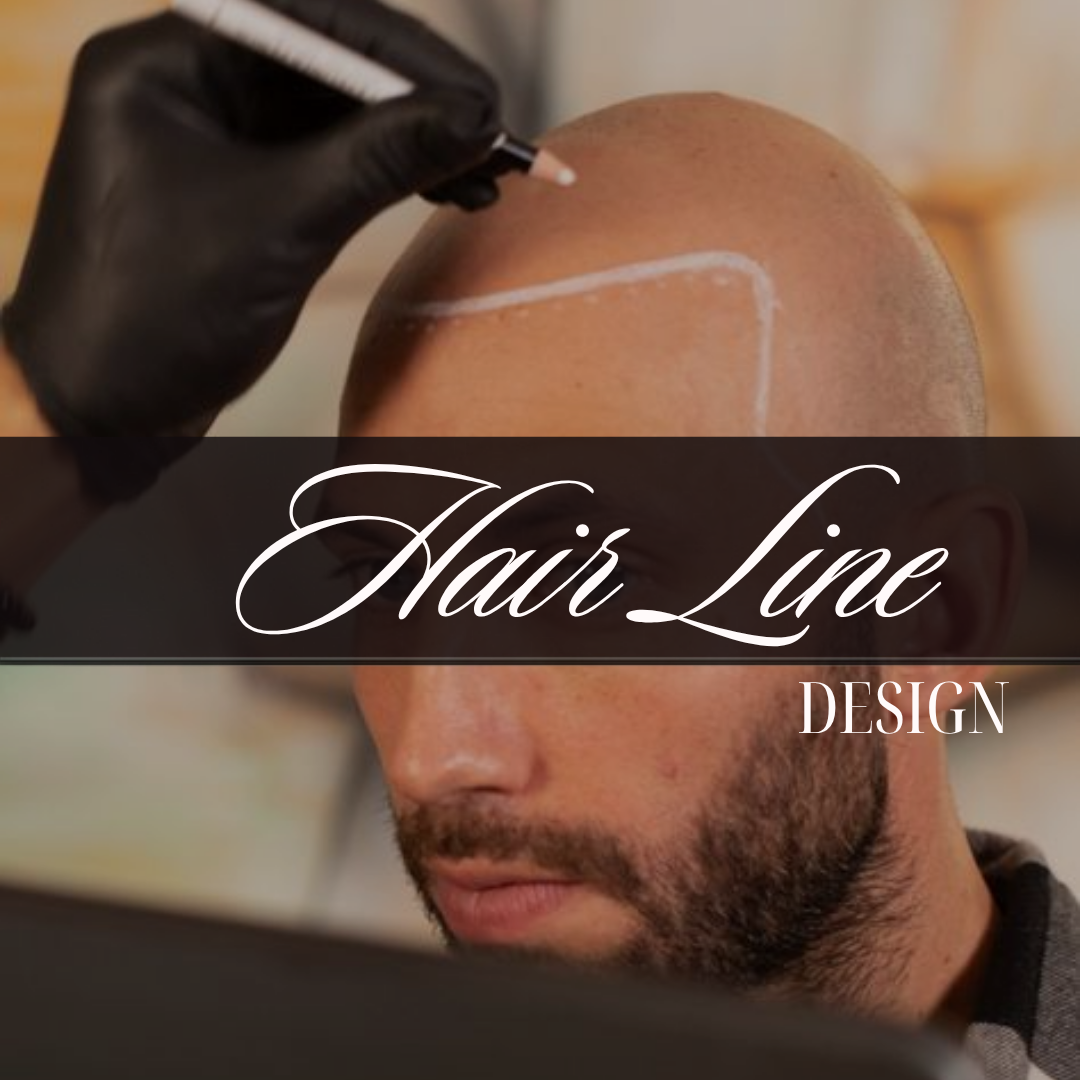
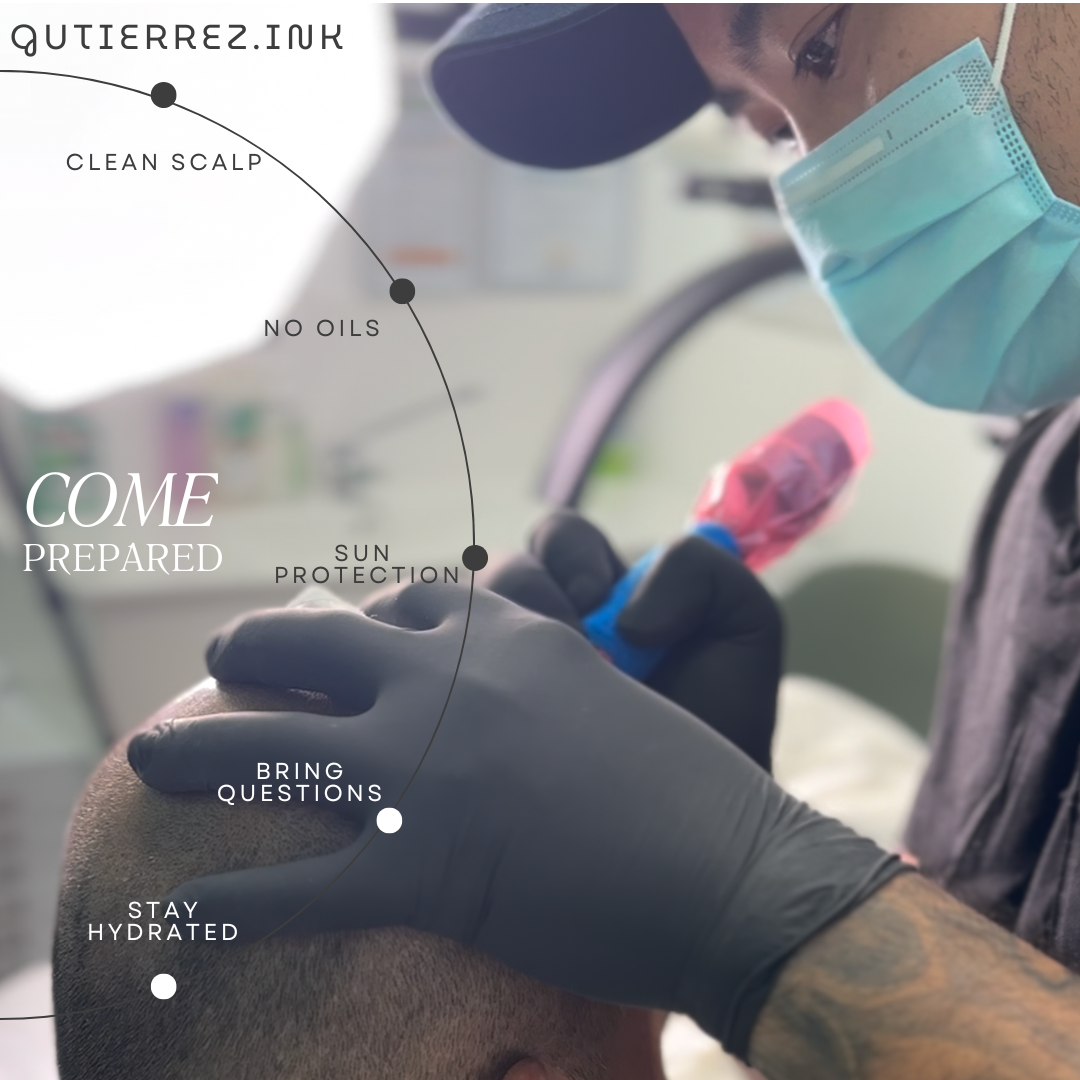
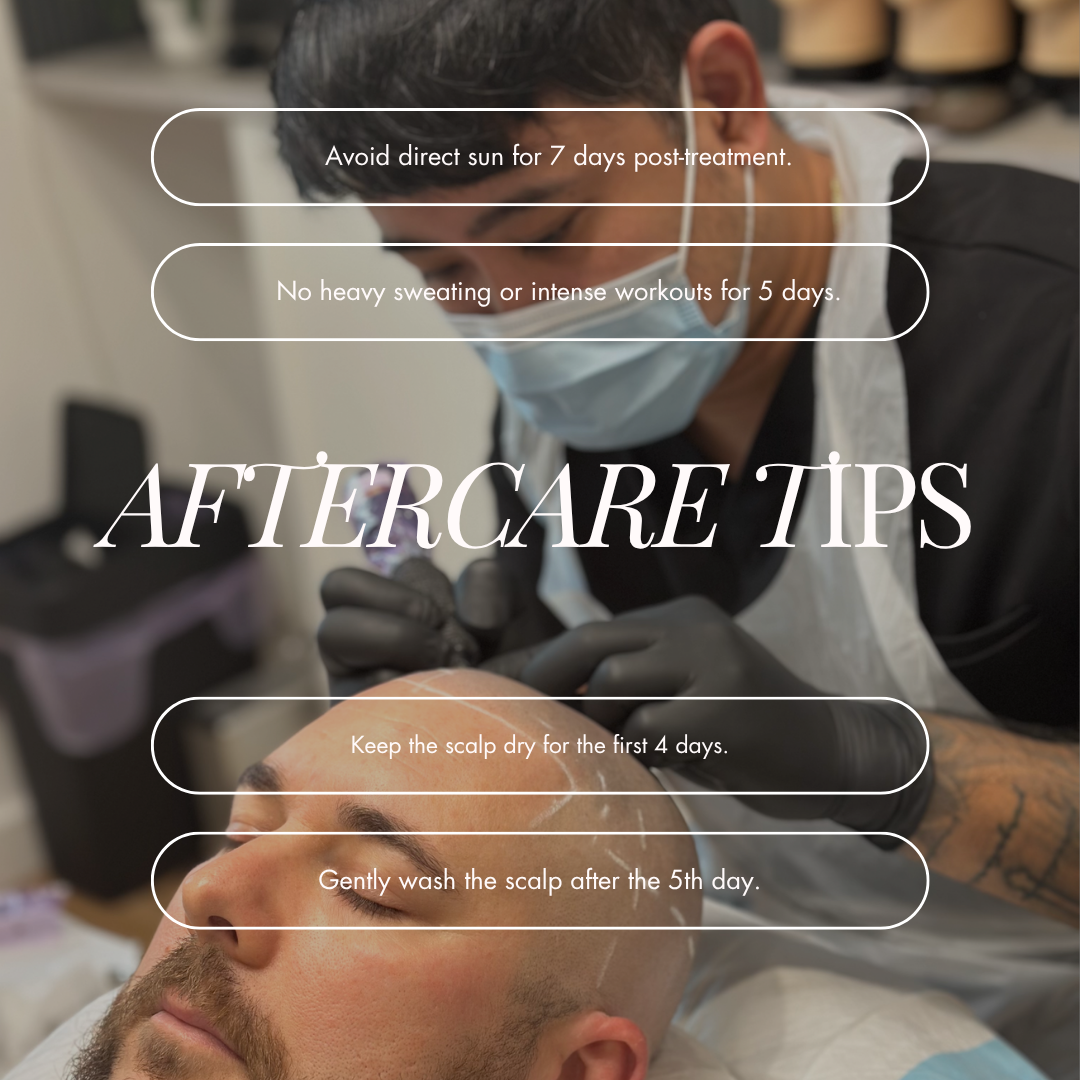
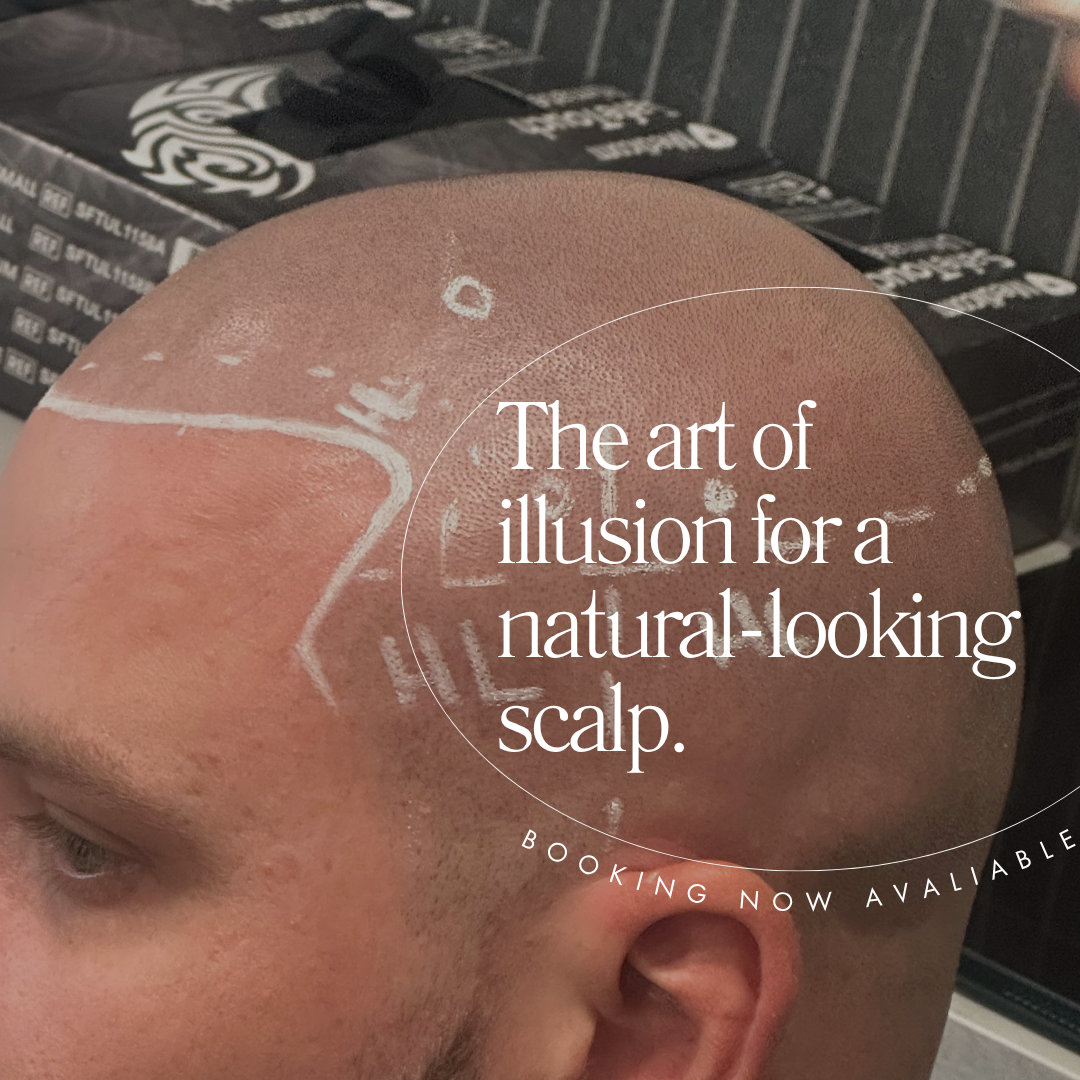

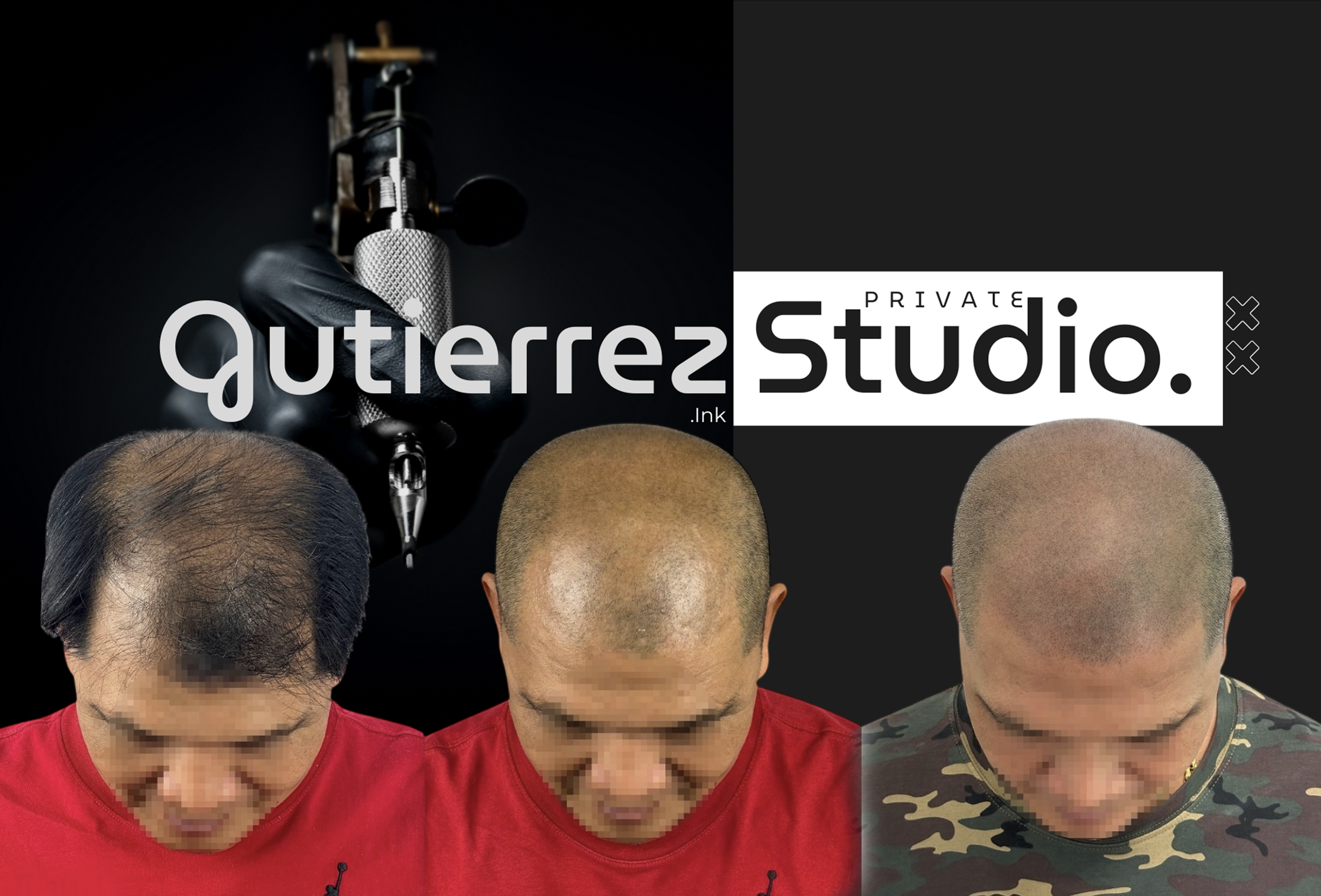
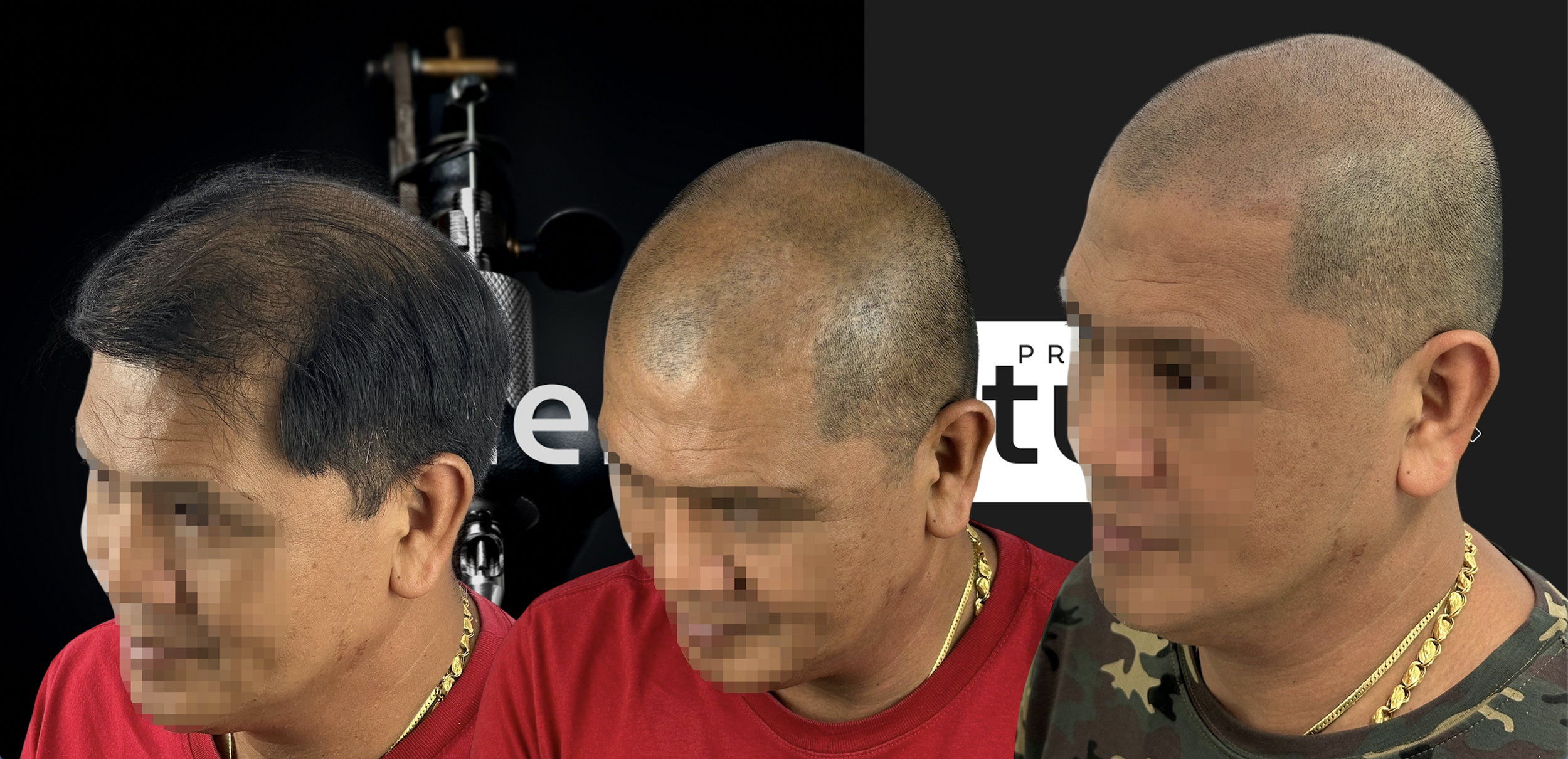
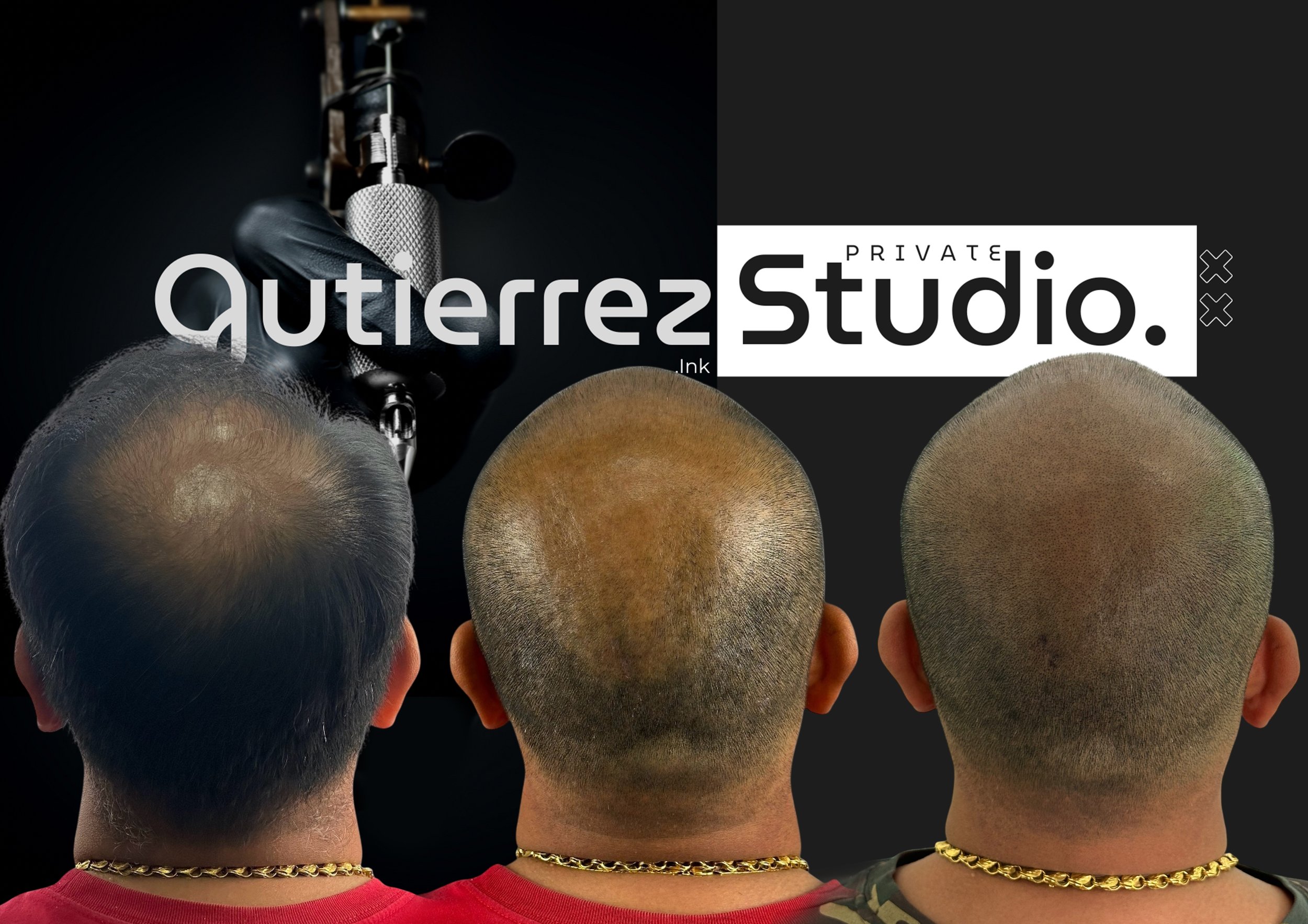
Scalp Micropigmentation (SMP) is a non-invasive cosmetic procedure designed to address hair loss by creating the appearance of fuller hair density or a closely shaved look. Using specialized equipment with fine needles, trained practitioners deposit natural pigments into the scalp’s upper dermal layer, strategically replicating the look of hair follicles. This technique is suitable for individuals experiencing thinning hair, receding hairlines, complete baldness, or concealing scars. Unlike traditional tattoos, SMP employs pigments that soften over time, blending seamlessly with existing hair and skin tones for a subtle, realistic effect. The process typically involves multiple sessions to achieve optimal results, offering a low-maintenance, long-lasting solution that requires minimal upkeep. Ideal for both men and women, SMP provides a versatile alternative to surgical options, enhancing confidence through a natural-looking hairline and improved scalp aesthetics.
Disclaimer: I understand the nature of the procedure to be performed, the side effects, risks and complications. I hereby release GSkin & Inks and its staff of liability associated with the SMP procedure. If there are any changes to my medical history, it is my responsibility to inform the staff members of GSkin & Inks
Schedule your Appointment today!
-
Skin conditions such as eczema, psoriasis, keratosis pilaris, and dermatitis can cause constant shedding and unrest of the skin, making it difficult for pigment to hold well.
Chronic acne on the scalp is not recommended, as tattooing may not hold and can spread infection.
Pregnant or breastfeeding women are not eligible for scalp micropigmentation.
Clients who have had cancer must wait 12 months after treatment before undergoing scalp micropigmentation.
Excessively oily scalp can make it difficult for colour and definition to hold.
People with haemophilia or a heart condition are not recommended to undergo any form of permanent makeup, as it puts them at high risk.
Diabetics must proceed with caution as they can have delayed wound healing.
Clients who have taken acne medication such as Accutane or Retin-A within the last year have altered skin conditions that may not heal well after the procedure. It is important to wait a year before tattooing the skin and to discontinue Retinol and Vitamin A no later than a month prior to the procedure.Clients must be over 18 years of age to undergo scalp micropigmentation.
Clients with a current sunburn are not suitable for scalp micropigmentation.
Clients who have undergone radiotherapy on the scalp must wait for 12 months before getting scalp micropigmentation.
Scalp disorders such as psoriasis that are inflamed may not hold pigment well and can cause the rare but painful Koebner phenomenon.
-
For clients who use hair fibres regularly to give the appearance of density to thinning hair, it is advised that they stop using them for the first 3 days after an SMP procedure.
SMP cannot completely replace the effect of hair fibres, as it only tones down the skin tone of the scalp, whereas hair fibres can cling to the hair and make it look thicker due to their static charge.
Waiting for 3 days after SMP before applying hair fibres if necessary, allows enough time for the scalp to heal. Applying hair fibres too soon after SMP could introduce bacteria and increase the risk of infection. After this period, hair fibres can be used for special occasions or to add density alongside SMP.
Minoxidil is a medication used primarily to treat hair loss in both men and women. It was initially developed as an oral medication to treat high blood pressure, but researchers discovered that one of its side effects was hair growth. Today, it is available as a topical solution or foam that can be applied directly to the scalp.
Minoxidil works by dilating the blood vessels in the scalp, which increases blood flow to the hair follicles. This increased blood flow delivers more oxygen and nutrients to the follicles, which can stimulate hair growth and improve the quality of existing hair.
Additionally, minoxidil may also stimulate hair follicle cells to produce hair growth factors, which can promote the growth of thicker, stronger hair.
The exact mechanism by which minoxidil promotes hair growth is not fully understood.
However, it is thought that the vasodilatory effects of minoxidil may activate potassium channels in the hair follicles, leading to increased hair growth.
Minoxidil is not a cure for hair loss and its effects are not permanent. It must be used regularly to maintain hair growth, and it may take several months before results are noticeable. Additionally, it may not be effective for everyone, and some individuals may experience side effects such as scalp irritation or unwanted hair growth in other areas of the body.
To ensure the best outcome for scalp micropigmentation (SMP), it is recommended to discontinue the use of topical minoxidil in foam or serum form at least 7 days prior to
SMP treatment. The use of minoxidil can be resumed 7 days after the last session of SMP.
For long-term management of hair loss, it is recommended to switch from topical minoxidil to tablet form if suitable for the client. Alternatively, minoxidil foam is recommended over the serum form as it has lower alcohol content, which can potentially fade the SMP with prolonged use.
Minoxidil in tablet form can be safely continued throughout the SMP process and beyond for ongoing hair loss management.
Long-term use of topical minoxidil has the potential to cause fading of ink or pigment on the scalp. This effect can be exacerbated when a client has also been using Retin-A, a strong vitamin A cream, prior to applying minoxidil. The constant exfoliation caused by Retin-A can lead to significant fading of ink over time. Therefore, it is strongly advised that the use of Retin-A on the scalp should be discontinued to avoid further fading of the ink.
Finasteride is a medication used to treat male pattern baldness, a common form of hair loss in men. It works by inhibiting the production of dihydrotestosterone (DHT), a hormone that is known to contribute to hair loss in men.
DHT is a derivative of testosterone, and it is produced by an enzyme called 5-alpha reductase. Finasteride works by blocking the action of this enzyme, which reduces the levels of DHT in the scalp. By reducing the amount of DHT in the scalp, finasteride can help to stabilise hair loss and promote hair regrowth in some men.
Finasteride is available in pill form and is taken orally. It is typically prescribed for men with mild to moderate hair loss, and it is most effective in men under the age of 60 who have been experiencing hair loss for less than 10 years.
Like any medication, finasteride may cause side effects in some people. The most common side effects include decreased libido, erectile dysfunction and decreased ejaculate volume. In rare cases, finasteride may also cause breast tenderness or enlargement.
Finasteride is not recommended for use in women, especially in pregnant women or women who may become pregnant. This is because finasteride can cross the placenta and may cause harm to a developing foetus. In fact, the FDA and TGA has classified finasteride as a pregnancy category X drug, which means it is contraindicated for use in pregnant women due to the risk of birth defects.
Additionally, finasteride can cause hormonal imbalances in women by reducing the levels of androgens (male hormones) in the body. Androgens play an important role in the growth and maintenance of female reproductive tissues, including the ovaries, uterus, and breasts. Therefore, reducing androgen levels can disrupt normal female reproductive function and may cause side effects such as menstrual irregularities, decreased libido, and breast tenderness or enlargement. Women who are concerned about hair loss should discuss treatment options with their healthcare provider to determine the best course of action.
Finasteride produces a rapid reduction in serum DHT concentration, reaching significant suppression within 24 hours of dosing. Side effects can include headaches, hot flushes and a decreased sex drive, especially during the first year of use. Women shouldn't get pregnant while on this drug because it can increase the risk for birth defects
Dutasteride (alpha reductase enzyme 1 supplement) reduces both enzymes that produce dihydrotestosterone (Type 1 5a-reductase).
These medications are fine to continue use of before, during or after SMP is applied to assist with retaining hair.
-
It is essential to recognise and treat any underlying scalp problems or conditions before commencing scalp micropigmentation. This cosmetic procedure involves implanting pigment into the scalp, which can irritate the skin and exacerbate existing conditions. By addressing any scalp issues beforehand, clients can ensure that their scalp is healthy and ready for the treatment, minimising any potential risks or complications. Treating any scalp problems prior to SMP can enhance the general appearance and condition of the scalp, resulting in better experiences during a procedure for the artist and better colour retention from the scalp micropigmentation procedure.
What are scalp problems?
Scalp problems refer to various skin irritations or diseases on the head, excluding the face and neck. This is a broad term that encompasses different types of skin conditions affecting the scalp. While some scalp problems may be associated with skin diseases, many cases are caused by poor hygiene or the use of hair care products. These issues often arise due to the desire for certain hairstyles, hair colour, and hair fibres usage to create the appearance of healthy hair. To prevent common scalp problems, it is essential to avoid such aesthetic practices and focus on maintaining good scalp hygiene. Adequate hygiene and limited use of hair care products can resolve many scalp conditions without medication. Regularly massaging the scalp and using mild shampoo can promote good scalp hygiene, leading to a healthy scalp.
What are common symptoms of scalp problems?
The human scalp is the top and back part of the head, including a small area on the sides, which is bordered by the face in the front and neck at the back. Commonly, most people refer to the scalp as the head, although it is only one part of the head and the area where the most amount of hair grows. Often the head of the hair covers any underlying problems of the skin on the scalp and a person is therefore unable to detect early features until symptoms develop such as:
itchy scalp
scalp pain and tenderness
scalp rash, pimples, blisters or boils
hair loss
Sometimes there may be tingling or numbness on the scalp or swelling underneath the skin. These problems are not limited to any specific age group, gender or with a specific length of hair. One of the common complications of skin problems on the scalp is that it eventually leads to hair loss. In these instances, hair loss is not a symptom of the main disorder but rather occurs as a complication of the disease progressing or not seeking treatment in time.
Why is scalp hygiene important to tattooing?
As with skin on any part of the body, the scalp needs to be washed frequently and kept
in a hygienic condition ready for tattooing. It the scalp is not in good clean, hygienIc condition, it is unable to successfully be treated. The hair traps extensive dust and dirt from the environment, which coupled with the natural oils of the hair, can accumulate
on the scalp and cause localised irritation. Hair care products such as tores. hair ois
and styling gel which should be washed off on a regular basis to allow the skin to breathe or can create a problem. Repeated irritation from shaving and scratching may cause tiny breaks in the skin which increases the chances of an infection.
What are the potential issues that can arise from using an excessive amount of scalp and hair products?
Excessive use of hair care products such as hair oils and styling gel can remain trapped on the skin, especially when it is not removed by regular washing. Shampoos, conditioners, hair relaxers/straighteners and hair dyes are other hair care products that may also cause a problem. These substances can cause irritant contact dermatitis where the skin becomes red, inflamed and itchy due to exposure to these substances.
Some individuals are hypersensitive and immune reactions may be triggered when
exposed to these hair care products. Is Is known as giergic contact dermatitis
Diving into the Causes and Management of Scalp Dandruff
Dandruff is a common scalp condition that can be caused by various factors, such as dry skin, fungal infections, and hormonal imbalances. The scalp needs to be free of dandruff at the time of tattooing to ensure good colour retention and avoid spreading a fungal infection if this is the source of the dandruff.
To get dandruff under control, here are some tips:
Use an anti-dandruff shampoo: Look for shampoos that contain active ingredients such as ketoconazole, zinc pyrithione, or selenium sulfide. These ingredients can help reduce the growth of yeast and fungi on the scalp that contribute to dandruff.
Wash your hair regularly: Regularly washing your hair can help remove excess oil and dead skin cells from your scalp. However, avoid over-washing your hair as it can strip your scalp of natural oils, which can make dandruff worse.
Avoid harsh hair products: Hair products such as gels, hairsprays, and mousses can irritate your scalp and make dandruff worse. Avoid using these products or switch to gentler, natural alternatives.
Manage stress: Stress can weaken your immune system, making you more susceptible to dandruff. Manage stress through techniques such as meditation,
coca. or recular exercise
• Maintain a healthy diet: A healthy diet rich in vitamins and minerals can help keep your scalp healthy and dandruff-free. Eat a diet that includes plenty of fruits, vegetables, and whole grains.
Diving into the Causes and Management of Scalp Dryness
Dryness of the skin on the scalp is one of the common problems. It arises with age, dry climates, washing the hair too frequently and overuse of harsh hair care products that strips the scalp of its natural oils. Some people are more prone to dry skin than others and individual tolerance to climatic and hair care products also needs to be taken into account. Dryness of the skin is itchy and increases the chances of secondary infections arising at the site. Certain skin diseases like psoriasis and eczema also causes excessive dryness of the skin.
To prepare dry skin for scalp tattooing, it's important to take gentle measures to avoid any potential irritation or damage. Here are some steps that can be suggested to clients for treating dry skin and preparing for a scalp tattoo
Moisturise: Use a fragrance-free moisturiser on your scalp to help hydrate dry skin. Look for products with natural ingredients like aloe vera or coconut oil.
Avoid hot water: Hot water can dry out the skin and strip it of its natural oils. Use lukewarm water instead when washing your scalp.
Use a mild shampoo: Choose a gentle, mild shampoo that is formulated for sensitive skin. Avoid shampoos that contain harsh chemicals or fragrances that can further dry out the scalp.
Exfoliate: Exfoliating can help remove dead skin cells and promote healthy skin.
Use a gentle exfoliating scalp scrub or a soft-bristled brush to massage the scalp and remove any buildup.Protect your scalp: If you're going to be outside, wear a hat or use sunscreen to protect your scalp from the sun. Sunburn can cause dryness and irritation.
Consult a dermatologist: If your dry skin persists or is severe, it may be a sign of an underlying skin condition. Consult a Dermatologist to rule out any potential issues.
By following these steps, you can help prepare your scalp for tattooing and minimise any potential discomfort or complications.
-
Diving into the Causes and Management of Scalp Acne
Scalp acne, also known as scalp folliculitis, can have several causes. It is typically caused by an overgrowth of bacteria, yeast, or fungi in hair follicles. Other potential causes include excessive sweating, hormonal changes, stress, certain medications, and an unhealthy diet. Scalp acne can also be caused by wearing hats or other headwear that traps sweat and bacteria against the skin. In some cases, certain hair products or styling practices can also contribute to scalp acne.
Acne needs to be under control at the time of completing a SMP procedure. Here are some treatments that a client can try to treat acne
Over-the-counter shampoos: Look for shampoos that contain ingredients such as salicylic acid, tea tree oil, or benzoyl peroxide. These ingredients can help unclog hair follicles and kill bacteria.
Prescription medications: For more severe cases, a Dermatologist may prescribe oral or topical antibiotics or antifungal medications
Scalp scrubs: Gentle exfoliation can help remove dead skin cells and unclog hair follicles. Use a soft-bristled brush or a gentle scalp scrub.
Change hair products: Avoid using hair products that contain oils, silicone, or sulfates. These ingredients can clog hair follicles and worsen scalp acne
Manage stress: Stress can contribute to scalp acne, so practicing stress-reducing techniques like meditation, yoga, or deep breathing exercises may help.
It's important to note that everyone's scalp is different, and what works for one person may not work for another. If the scalp acne persists despite these treatments after 4-6 weeks, suggest to consult a Dermatologist for further evaluation and treatment options
-
Folliculitis is an infection of the hair follicles mainly with bacteria. Staphylococcus aureus is the most common bacteria that causes folliculitis. It is more likely to occur in a person who shaves the hair on the head and communal bathing like in hot tubs hence the common name hot tub folliculitis. An uncommon type of folliculitis known as folliculitis keloidalis occurs at the back of the head and on the nape of the neck mainly in men of African ethnicity. Folliculitis appears as small white to yellow pus-filled pimples which initially start as tiny red eruptions. If the condition is severe and left untreated for long periods of time, it can lead to significant scarring. This needs to be cleared and treated before starting SMP.
-
Psoriasis is a skin condition where the cells rapidly grow causing thickened plaques of dry, scaly skin. It can occur anywhere on the body. Although the exact cause is unknown, it is believed that scalp psoriasis is due to the immune cells targeting the skin.
Psoriasis is a chronic condition that goes into periods of remission but recurs thereafter within months or years. It's important to address scalp psoriasis before undergoing Scalp MicroPigmentation to minimise any potential risks or complications.
-
Scalp ringworm is a fungal infection that affects the scalp and hair. Here are some steps you can take to treat scalp ringworm:
Use an antifungal shampoo: Look for shampoos that contain active ingredients such as ketoconazole or selenium sulfide. These ingredients can help kill the fungus that causes scalp ringworm.
Apply antifungal creams: Topical antifungal creams containing clotrimazole or terbinafine can help treat scalp ringworm. Apply the cream directly to the affected areas and follow the instructions on the packaging.
Take oral antifungal medication: If the infection is severe or widespread, your doctor may prescribe oral antifungal medication such as terbinafine or griseofulvin. Take the medication as directed by your doctor.
Keep your scalp clean and dry: Wash your hair regularly and avoid sharing combs, brushes, hats, or other hair accessories to prevent the spread of the intection.
Use a disinfectant: Disinfect combs, brushes, and other hair accessories with a solution of water and bleach to kill any fungi or bacteria.
If the infection does not improve after 4-6 of treatment or if it spreads to other parts of your body, suggest to consult a doctor. Scalp MicroPigmentation cannot be applied until this condition is under control.
-
Head lice are a type of parasite known as Pediculus humans capitis that infests the human scalp. It is sometimes commonly referred to as nits and lice, since the eggs of these lice are known as nits. Head lice closely related to body lice and pubic lice. These types of infestations are more common in children as the lice tends to spread aggressively within day care centres and schools. It causes intense itching and a tickling sensation on the scalp. The rash that head lice causes appears as reddish bumps and sores on the scalp.
-
Seborrheic dermatitis is an inflammatory skin disease of the oily areas of the body. The skin becomes scaly and greasy and eventually peels away to expose the underlying reddish skin. The exact cause of seborrheic dermatitis has not been conclusively identified but it is believed to be an immune mediated reaction to the presence of the normal skin flora - bacteria and fungi that live on the skin without causing any disease.
The condition is also marked by excessive skin oil (sebum) production. Seborrheic dermatitis is a common cause of dandruff in both children and adults. Another form of seborrheic dermatitis that is seen on the scalp of newborns where it is known as cradle cap. Treatment of SMP can only be started once this condition is under control and not visible at the site of where the SMP needs to be applied.
-
Blood-borne viruses, such as HIV and HEP C, require special precautions when treating clients who have these conditions. Discriminating against such clients is unacceptable, but it is necessary to take extra care to ensure the safety of both the artist and the client during the procedure.
To create a safe environment, the artist should wear double gloves, have an assistant present, and dispose of contaminated waste appropriately in an open bin.
The use of plastic disposable bed covers to form barriers wherever the client lies/touches and careful wrapping of all equipment and instruments is also necessary to avoid contamination.
Any non-disposable items should be placed through an ultrasonic washer, and sterilisation should be performed on any item that is safe to do so, as an additional precaution.
To minimise the risk of contamination, clients with HIV and HEP C should be treated last on the artist's list, and the workspace should not be used again for at least 12 hours after the final clean down. This allows any remaining virus to reduce its rate of contamination, ensuring the safety of subsequent clients.
HIV and Scalp Micropigmentation
Individuals who have HIV can undergo scalp micropigmentation, but it is crucial for them to disclose their HIV status to the SMP artist or provider beforehand. This is because people with HIV may have weakened immune systems, increasing the risk of infection or complications from any medical or cosmetic procedure, including SMP. HIV-positive individuals may be taking medications that can impact the healing process after SMP. The SMP artist or provider should take appropriate precautions and care during the procedure, including maintaining proper hygiene and sterilisation techniques, to minimise the risk of infection or complications. Ultimately, the decision to undergo SMP should be made in consultation with a qualified healthcare provider, considering the individual's overall health status and any potential risks or contraindications.
Hep C and Scalp MicroPigmentation
Having Hepatitis C (HCV) may not directly impact the scalp micropigmentation treatment or recovery process, but it can affect the healing process and increase the risk of complications. Hepatitis C is a blood-borne virus and precautions must be taken to prevent transmission during the treatment. Additionally, Hepatitis C can affect the immune system, making the healing process slower and more challenging.
There are different types of Hepatitis, its important to understand the differences:
-
MRSA, or Methicillin-Resistant Staphylococcus Aureus, is a type of bacteria that is resistant to many common antibiotics, making it challenging to treat. MRSA can be found on the skin or in the nose of healthy individuals and can cause infections, ranging from mild to severe, including skin infections, pneumonia, and bloodstream infections.
MRSA is highly contagious and can be spread through direct contact with an infected person or by touching contaminated surfaces. It is important to take precautions when treating clients with MRSA to prevent the spread of the bacteria and ensure a safe treatment environment.
For this reason, it is crucial that practitioners take precautions when treating clients with MRSA. Any equipment or instruments used during the procedure should be carefully sterilised to prevent the spread of the bacteria. Practitioners should also consider wearing protective gear, such as gloves and a face mask, to minimise their risk of exposure.
77 Million People Carry This Drug-Resistant Disease
As Scalp Micropigmentation is an elective procedure, it may be necessary to postpone the procedure until the infection has been appropriately managed and the client is no longer contagious.
-
Book for a Free 1hr consultation if you are eligible for the treatment. Price will be discuss once we see you in person.
-
Moisturisation: The scalp may become dry or flaky as it heals. Applying aftercare cream keeps the ared moisturised, preventing excessive dryness and scabbing, which could affect pigment retention.
Protection: Aftercare creams create a barrier that protects the scalp from environmental contaminants and helps reduce the risk of infection.
Healing Promotion: These creams often contain ingredients that soothe irritation and support skin regeneration, speeding up the healing process.
-
Cell Renewal: The skin's natural healing process takes about 7 to 10 days for the top layer (epidermis) to regenerate. Applying the cream during this time helps ensure the new skin forms properly without disrupting the tattooed pigment.
Scab Prevention: Proper moisturisation minimises scal formation. Large or thick scabs can pull pigment from the skin, leading to patchy or uneven results.
Comfort: Keeping the scalp moisturised can reduce itching and discomfort, making it easier for clients to avoid scratching, which could damage the treated area.
-
Non-Comedogenic: Ensures the moisturiser won't clog pores, which is important for preventing breakouts on the scalp
Fragrance-Free: Fragrances can irritate healing skin, so it's best to opt for products without added scents.
Alcohol-Free: Alcohol can dry out the skin, negating the moisturising effects and potentially irritating the treated area
Lightweight Formulas: A lightweight, water-based formula is preferable as it absorbs quickly and doesn't leave a greasy residue, which can feel uncomfortable on the scalp.
-
Daily Use: Regular use of a moisturiser keeps the scalp healthy, which is essential for maintaining the vibrancy of the SMP pigment. Hydrated skin retains pigment better, reducing the need for frequent touch-ups.
Sun Protection: Some moisturisers include SPF, which is beneficial as UV rays can fade the pigment over time. Using a moisturiser with SPF as part of a daily routine helps protect the investment in SMP. Mineral SPF is always best, it can appear white at first by does settle the more you work the product into the scalp.
-
There are moisturisers specifically formulated for SMP-treated skin. These products are designed to enhance pigment longevity, promote even healing, and prevent issues like dryness or irritation, which can affect the appearance of the SMP. We recommend
'Scalp Therapy' by Moo Goo which is a Coconut Oil and Olive Oil combined moisturiser.s
-
Aloe Vera: Known for its soothing and healing properties.
Hyaluronic Acid: A powerful hydrating agent that helps retain moisture in the skin.
Vitamin E: Aids in skin repair and regeneration.
Panthenol (Provitamin B5): Known for its moisturising and soothing properties, which help in healing the skin.
-
Apply Gently: Dab the moisturiser lightly over the treated area rather than rubbing, to avoid disturbing the pigment.
Use Clean Hands: Always wash hands before applying moisturiser to prevent introducing bacteria to the healing scalp.
Follow the Advice: Adhere to specific aftercare instructions provided as recommend to use particular products and protocols.
By choosing the right moisturiser and applying it properly, clients can significantly enhance the healing process and the longevity of their SMP results.
-
Natural Appearance: A shiny scalp can draw attention to the scalp and potentially highlight the SMP treatment, making it look less natural. An anti-shine product helps blend the SMP seamlessly with the surrounding skin.
Oil Control: For individuals with oily skin, an anti-shine product can help control excess sebum production, reducing the greasy appearance.
Confidence Boost: A matte finish often provides a more polished, professional look, boosting confidence in personal and professional settings.
-
EXPECTANCY OF AGED
PIGMENT IN SKIN
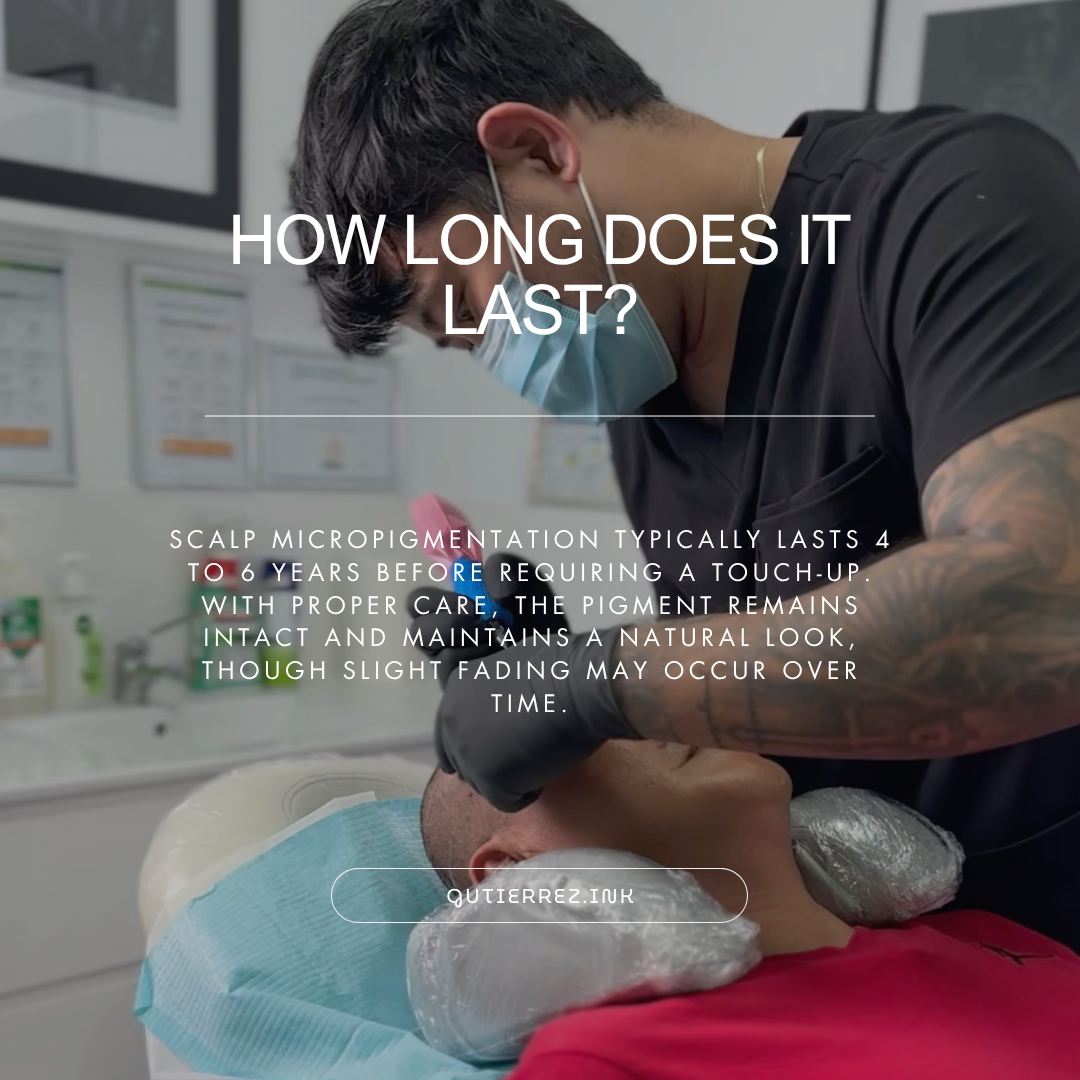
Pigment longevity inside the skin, or living canvas, should be treated as such. It is impossible for the artist to know just how long the SMP tattoo will last. In most individuals, the result of a well-executed and well cared for SMP treatment can last about 3-5 years before requiring maintenance. This opinion will vary based on who is evaluating the tattoo. In some cases the SMP result may only last two years. This may be because the client has oily skin and occasional sun exposure and a super light or diluted pigment mixture was used.
Concentrated pigments with higher saturation in the skin equate to the most longevity. However, it is oftentimes synonymous for unnatural-looking results as well.
Softer or more diluted pigments will often fade away quicker as there are less pigment particles for the body to metabolize and digest.
There is no magic pigment that simply disappears or one that lasts forever. The reality is the skin functions, client care, and metabolic activity have much to do with the longevity of any tattoo result, including SMP. This is why tattoos are typically not guaranteed.
ENVIROMENTAL
SURROUNDINGS AND THE IMMUNE SYSTEM ON
IMPLANTED PIGMENT
Sun exposure can disrupt melanin production causing irregular spots known as hyperpigmentation. This is typically only rectified with therapeutic skin care treatments such as laser, deep chemical peels, or skin bleaching creams all of which can be harmful to the SMP result and life span.
The mottled colour also creates an uneven canvas on the skin surface that takes away from the hair-like natural appearance of the intended SMP treatment.
Several environmental factors can contribute to Scalp Micropigmentation (SMP) fading over time:
Sun Exposure: Ultraviolet (UV) radiation from the sun can cause SMP pigments to break down and fade prematurely. Prolonged exposure to the sun without protection can accelerate pigment fading, leading to a loss of colour intensity and definition on the scalp.
Chlorine and Saltwater: Chlorine from swimming pools and saltwater from the sea can be harsh on SMP pigments, causing them to fade more quickly. Exposure to these chemicals, especially over repeated instances, can weaken the pigment's bond with the skin and lead to gradual fading.
Harsh Cleansers and Resurfacing products/treatments: Using harsh or abrasive cleansers on the scalp can strip away SMP pigments and disrupt the healing process. It's essential to use gentle, pH-balanced cleansers recommended by SMP practitioners to maintain pigment longevity and minimise fading.
Resurfacing products such as Vitamin A or Glycolic Cleaners have the potential to slightly fade SMP over time.Excessive Moisture: Excessive sweating, high humidity, and prolonged exposure to moisture can affect the longevity of SMP pigments. Moisture can cause pigments to leach out of the skin more quickly, resulting in fading and a loss of definition in the scalp micropigmentation.
Abrasive Haircare Products: Haircare products containing harsh chemicals or abrasive ingredients can contribute to SMP fading. Products such as hair dyes, bleaches, and styling products can interact with SMP pigments, causing them to fade or discolour over time.
Friction and Rubbing: Friction and rubbing against the scalp, such as from wearing hats, helmets, or tight headwear, may slightly accelerate SMP fading.
Constant friction can wear away the top layers of skin where the pigments are deposited, leading to gradual fading and a loss of pigment definition.Pollution and Environmental Toxins: Exposure to environmental pollutants, such as airborne particles and toxins, can impact SMP pigments' longevity. Pollution can interact with pigments on the scalp, causing them to degrade and fade more quickly than usual.
Cuts or abrasions on the scalp can remove SMP pigment.
It's important to avoid applying SMP pigment to damaged or irritated skin, as the healing process can interfere with the pigment's retention and lead to uneven fading.